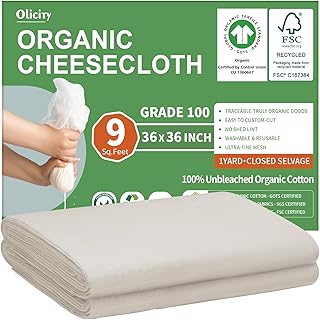
For centuries, cheesecloth has been a humble yet indispensable tool in kitchens, dairies, and craft rooms. Far more than just a fabric for making cheese, this versatile woven cotton cloth is a multi-purpose workhorse. Whether you're straining homemade yogurt, clarifying butter, bundling herbs for a bouquet garni, or creating delicate crafts, having the right cheesecloth makes all the difference. This guide will walk you through its many uses, the different types available, and how to choose the best one for your needs.
What is Cheesecloth and What Are Its Primary Uses?
At its core, cheesecloth is a loose-woven, gauzy cotton fabric. Its open weave allows liquids to pass through while trapping solids, making it ideal for food straining. The most common culinary uses include straining curds from whey in cheese making, draining yogurt, clarifying stocks and broths, and making nut milks. It's also perfect for juice straining to remove pulp, and is a traditional choice for wrapping herbs and spices when making soups or brining a turkey.
Beyond the kitchen, cheesecloth is a favorite among crafters. Its soft, pliable nature makes it excellent for ghost costumes, decorative bundling, faux aging projects, and even as a gentle polishing cloth. The key to success in any application is selecting the correct grade and quality.
Understanding Cheesecloth Grades: From Grade 10 to Grade 100
Not all cheesecloths are created equal. They are classified by "grade," which refers to the number of threads per inch in each direction. A lower grade number means a more open, looser weave.
- Grade 10-40: Very open weave. Best for light filtering, bundling herbs, or crafts.
- Grade 50-60: Medium weave. Good for general straining of larger particles.
- Grade 80-90: Fine weave. Excellent for straining finer particles like yogurt or making soft cheeses.
- Grade 100: Ultra-fine, ultra-dense weave. This is often called "butter muslin" and is the gold standard for serious culinary tasks. It catches the tiniest curds for hard cheeses, yields crystal-clear stocks, and is incredibly durable for reuse.
For most demanding kitchen tasks, Grade 100 cheesecloth is highly recommended. Products like the Cotton Farm Grade 100 XL Cheese Cloth exemplify this category, offering an ultra-dense weave that won't let fine sediments through.
Key Features to Look For When Buying Cheesecloth
When shopping for cheesecloth, consider these essential features to ensure you get a quality product that performs well and lasts.
Material: Always opt for 100% cotton. It's food-safe, absorbent, and breathable. Unbleached cotton is preferable for many, as it contains no chemical residues from bleaching processes. For an eco-conscious choice, look for Organic Cheese Cloths that are GOTS certified, ensuring organic and ethical production standards.
Edges: Cheap cheesecloth often has raw, fraying edges. High-quality options feature hemmed or closed edges. This prevents unraveling during use and washing, making the cloth truly reusable. Look for descriptions like "hemmed 4 edges" or "with closed edges fabric."
Size and Packaging: Cheesecloth comes in bulk yards, large squares, or convenient precut packs. Precut squares, like those in the 6-Pack Beige Cheesecloth or the Mostdream 10-Pack, save time and reduce waste. Consider a multi-pack like the 12Pcs Reusable Cheese Cloths if you use it frequently.
Bleached vs. Unbleached: This is largely a personal preference. Unbleached cloths have a natural beige color and are free from bleach chemicals. Bleached cloths, like the GoodCook Everyday Cheesecloth, are bright white, which some users prefer for aesthetic reasons or to see stains more clearly.
Top Cheesecloth Picks for Different Needs
With so many options, here are some top recommendations based on specific uses:
For the Serious Cheese Maker or Stock Master: You need the finest filter. The Cotton Farm Grade 100 XL or the GOTS Certified Organic Cheese Cloth in a large 36x36 inch size provide the ultra-fine butter muslin weave required.
For Everyday Kitchen Straining: A versatile, hemmed, Grade 100 pack is perfect. The High-Grade 100 Cheesecloth 6-Pack or the 6 Pcs Precut Cheese Cloths offer excellent value and performance for yogurt, juices, and general cooking straining.
For Smaller Tasks & Crafts: Smaller precut squares are ideal. The Precut Cheesecloth 15x15'' 4 Pack is a great size for bundling herbs or small craft projects.
For Traditionalists & Bulk Users: If you prefer buying by the yard, the MAJESTIC CHEF Natural Cheesecloth is a classic, widely available option sold in a bulk piece.
Care and Maintenance: Making Your Cheesecloth Last
A high-quality, hemmed cheesecloth is designed to be reused. After use, rinse it immediately under cold water to remove food particles. For a deeper clean, hand-wash or machine wash in warm water with a mild detergent. Avoid fabric softeners as they can clog the weave. Line dry or tumble dry on low. With proper care, a good Grade 100 cloth can be used dozens of times, making it a sustainable and economical choice.
In conclusion, choosing the right cheesecloth elevates your culinary and crafting projects. By focusing on grade, material, edge finish, and your specific needs, you can find the perfect fabric ally. Whether you opt for organic, unbleached squares or a classic bleached muslin, investing in a good-quality reusable cheese cloth is a small step that makes a big difference in your kitchen toolkit. For a deeper dive, check out our comprehensive Ultimate Guide to Cheesecloth.